
Lightweight Cookware for Seniors: A Complete, Practical Buying Guide
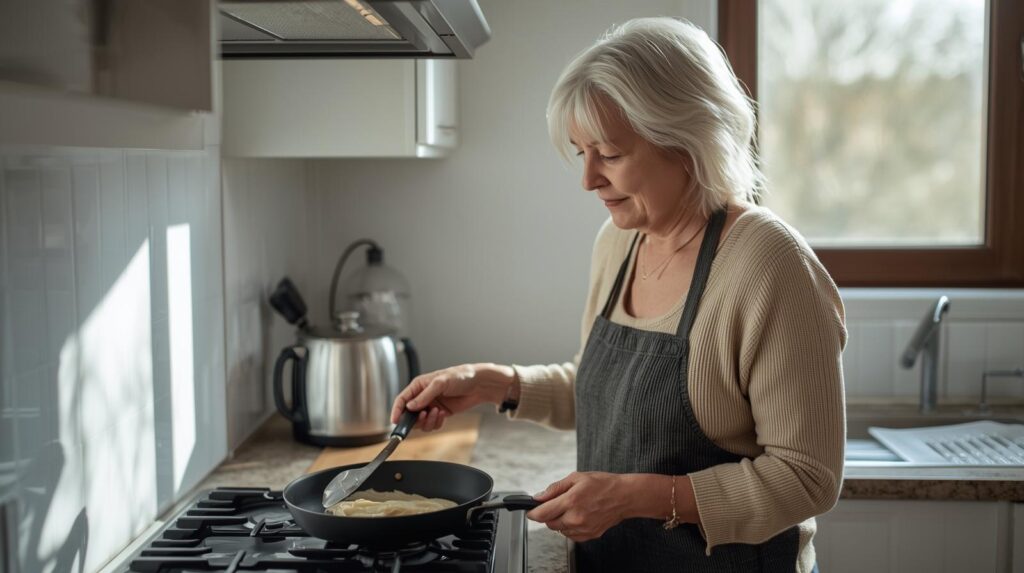
Cooking should remain a source of comfort and independence as we age. Unfortunately, many seniors struggle in the kitchen because traditional cookware is heavy, hard to control, and uncomfortable to use. Lifting a full pot, gripping a narrow handle, or washing a bulky pan can quickly lead to wrist pain, fatigue, or even accidents.
That is why choosing the right lightweight cookware for seniors is not just a convenience—it is a safety and quality-of-life decision.
This guide is written to help seniors and caregivers understand what lightweight cookware really means, which materials work best, and which products are worth buying for daily, stress-free cooking.
Why Lightweight Cookware Is So Important for Seniors
As people grow older, physical changes naturally occur. Grip strength may decrease, joints may feel stiff or painful, and balance may not be as steady as before. These changes make heavy cookware difficult and sometimes dangerous to use.
Heavy pans increase the risk of:
Dropping hot food or liquids
Wrist, elbow, or shoulder strain
Burns caused by loss of control
Avoiding cooking altogether due to discomfort
Lightweight cookware reduces these risks by making everyday tasks easier. Lifting, stirring, pouring, and cleaning become more manageable, allowing seniors to cook confidently and independently.
What Counts as Lightweight Cookware?
Lightweight cookware is not about being thin or cheaply made. Instead, it is cookware that is engineered to provide good heat performance while keeping overall weight low.
In general, lightweight cookware:
Is made from aluminum or aluminum-based materials
Weighs significantly less than cast iron or thick steel
Is easier to lift with one hand
Feels balanced, not top-heavy
Responds quickly to heat
For seniors, lightweight cookware should feel stable on the stove but effortless in the hand.
Best Cookware Materials for Seniors
Not all cookware materials are senior-friendly. Some are simply too heavy or require too much effort to maintain. Below are the best options.
Aluminum Cookware (Hard-Anodized or Coated)
Aluminum is one of the best materials for seniors because it is naturally light and heats quickly.
Why it works well:
Easy to lift, even when full
Heats evenly and fast, reducing cooking time
Widely available and affordable
Often paired with nonstick or ceramic coatings
Hard-anodized aluminum is especially good because it is stronger and more durable than regular aluminum while staying lightweight.
Nonstick Cookware (Lightweight Designs)
Nonstick cookware is popular among seniors because it reduces effort during both cooking and cleaning.
Benefits:
Food releases easily
Requires less oil or butter
Minimal scrubbing after cooking
Ideal for eggs, fish, vegetables, and reheating meals
When choosing nonstick cookware, seniors should look for PFOA-free coatings and avoid overheating, which extends the lifespan of the pan.
Ceramic-Coated Cookware
Ceramic cookware is often lighter than stainless steel and appeals to seniors who want a more health-focused option.
Advantages:
Smooth cooking surface
Easy cleanup
No traditional chemical coatings
Pleasant, modern appearance
Limitations:
Not designed for high heat
Coating wears out faster than metal cookware
Ceramic cookware works best for gentle, everyday cooking.
Stainless Steel (Lightweight, Small Sizes Only)
Traditional stainless steel cookware can be heavy, but smaller saucepans and thin-base designs may work for seniors.
Best uses:
Heating liquids
Making sauces
Boiling eggs or small portions
Seniors should avoid large stainless steel pots or multi-ply sets, which are often too heavy.
Cookware Materials Seniors Should Avoid
Some cookware types are simply not suitable for aging hands and joints.
Cast iron is extremely heavy and dangerous to lift when full. Thick copper cookware requires frequent maintenance and is also heavy. Large professional-grade stainless steel sets add unnecessary weight and bulk.
For seniors, comfort and control matter more than professional performance.
Key Features Seniors Should Look For
When shopping for lightweight cookware, features are more important than brand names.
Comfortable Handles
Handles should be:
Ergonomic and easy to grip
Heat-resistant
Slightly padded or coated
Securely attached
Thin metal handles can become slippery and uncomfortable.
Balanced Weight
A pan should feel stable when lifted. Lightweight cookware should not feel flimsy or tip easily on the stove.
Easy-to-Lift Lids
Glass lids are often lighter and allow seniors to check food without lifting the lid, reducing steam burns and strain.
Easy Cleaning
Dishwasher-safe cookware or cookware that cleans easily by hand is ideal. Less scrubbing means less strain on wrists and hands.
Best Lightweight Cookware for Seniors (Product Roundup)
Below are reliable options chosen for weight, comfort, safety, and ease of use.
1. T-Fal Ultimate Hard Anodized Nonstick Cookware Set

This set is widely recommended because it balances light weight with durability.
Why it works well for seniors:
Lightweight aluminum construction
Excellent nonstick performance
Comfortable, heat-resistant handles
Easy cleanup
Clear heat indicator to prevent overheating
This is a strong choice for seniors who cook daily and want reliable, low-effort cookware.
2. GreenLife Soft Grip Ceramic Nonstick Cookware Set
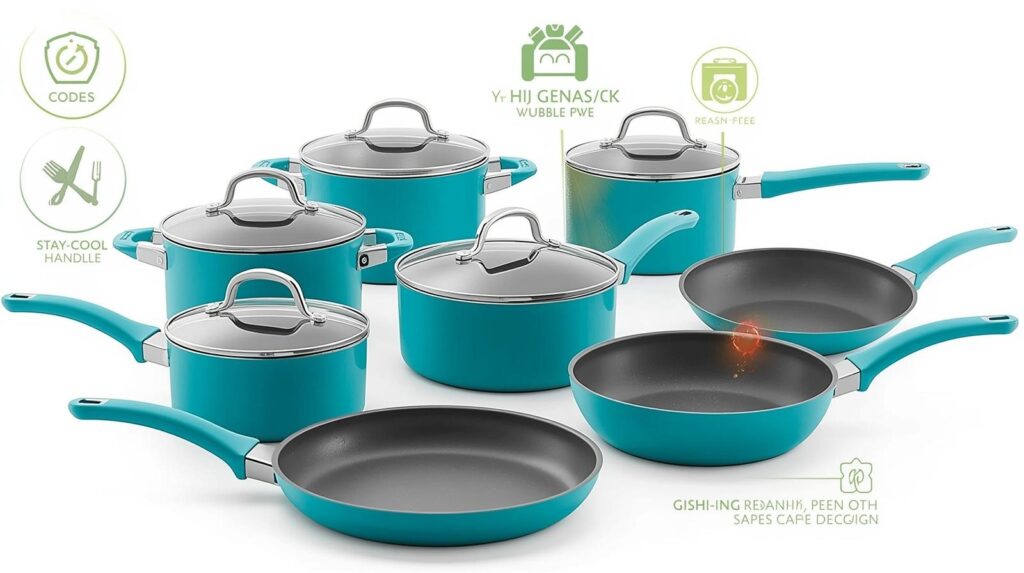
This set is especially helpful for seniors with arthritis or joint pain.
Why it stands out:
Extremely lightweight
Soft-grip handles reduce hand strain
Smooth ceramic surface
Requires very little oil
It is best for light, everyday meals and gentle cooking.
3. Rachael Ray Cucina Nonstick Cookware Set

This cookware combines comfort with a more traditional look.
Key benefits:
Lightweight aluminum body
Rubberized handles for better control
Good balance and stability
Suitable for gas and electric stoves
This set is ideal for seniors who want easy handling without giving up style.
4. Amazon Basics Lightweight Nonstick Cookware Set
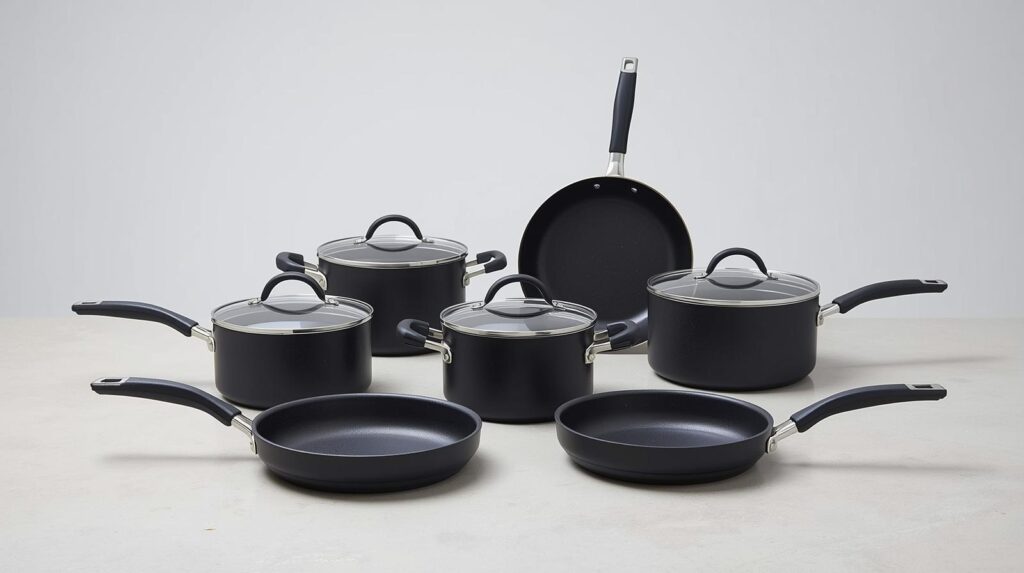
This is a practical option for seniors on a budget.
Why it makes sense:
Very light pans
Simple design
Easy to use and clean
Affordable replacement option
Best for small kitchens or fixed-income households.
Lightweight Cookware vs Traditional Cookware
Lightweight cookware is designed for ease, while traditional cookware often prioritizes durability and professional performance.
Lightweight cookware:
Easier to lift and control
Reduces joint strain
Safer for daily use
Easier to clean
Traditional cookware:
Heavier and harder to manage
Increases risk of spills and burns
Often unnecessary for simple meals
For seniors, lightweight cookware is the safer and more practical choice.
Lightweight Cookware vs Traditional Cookware
| Feature | Lightweight Cookware | Traditional Cookware |
|---|---|---|
| Overall weight | Easy to lift with one hand | Heavy and hard to control |
| Grip comfort | Ergonomic, soft-grip handles | Thin or slippery handles |
| Joint strain | Low strain on wrists and arms | High strain on joints |
| Ease of pouring | Controlled and steady | Risk of spills |
| Cleaning effort | Easy, minimal scrubbing | Requires more effort |
| Best for seniors | Yes, designed for comfort | Not recommended |
How to Choose the Right Lightweight Cookware
When buying cookware for seniors, keep these tips in mind:
Choose smaller pan sizes
Avoid oversized cookware sets
Focus on handle comfort
Check total weight before buying
Prioritize ease of use over durability claims
Often, three or four well-chosen pieces are better than a large set.
Stove Compatibility
Most lightweight cookware works well on:
Gas stoves
Electric coil stoves
Glass cooktops
For induction cooking, make sure the cookware is labeled induction-compatible.
Safety Tips for Seniors
Cook on medium heat
Avoid lifting cookware when full
Store cookware at waist level
Replace damaged nonstick pans
Use wooden or silicone utensils
Simple habits can greatly improve kitchen safety.
Frequently Asked Questions
Is lightweight cookware safe for seniors?
Yes. It reduces strain, improves control, and lowers accident risk.
Does lightweight cookware heat evenly?
Quality aluminum and ceramic cookware heat very evenly.
Is nonstick cookware safe for older adults?
Yes, when used at medium heat and replaced if damaged.
How long does lightweight cookware last?
Most quality lightweight cookware lasts 3–7 years with proper care.
Final Thoughts
Choosing the right cookware can make everyday cooking safer, easier, and more enjoyable.
Lightweight cookware for seniors isn’t about giving up performance—it’s about gaining comfort, confidence, and independence in the kitchen.
If cooking feels tiring or painful, switching to lighter cookware is one of the simplest and most effective upgrades you can make.
Cookware Set for Gas Stove
Cookware Set for Gas Stove: Complete Buying Guide for Everyday...
Read More

Lightweight Cookware for Seniors
Lightweight Cookware for Seniors: A Complete, Practical Buying Guide Cooking...
Read More
Best Small Stainless Steel Saucepan
Small Stainless Steel Saucepan: The Everyday Pot Every Kitchen Needs...
Read More