
The Ultimate Kitchen Cookware Guide: Choose the Best Pots & Pans
Introduction: The Only Kitchen Cookware Guide You’ll Ever Need
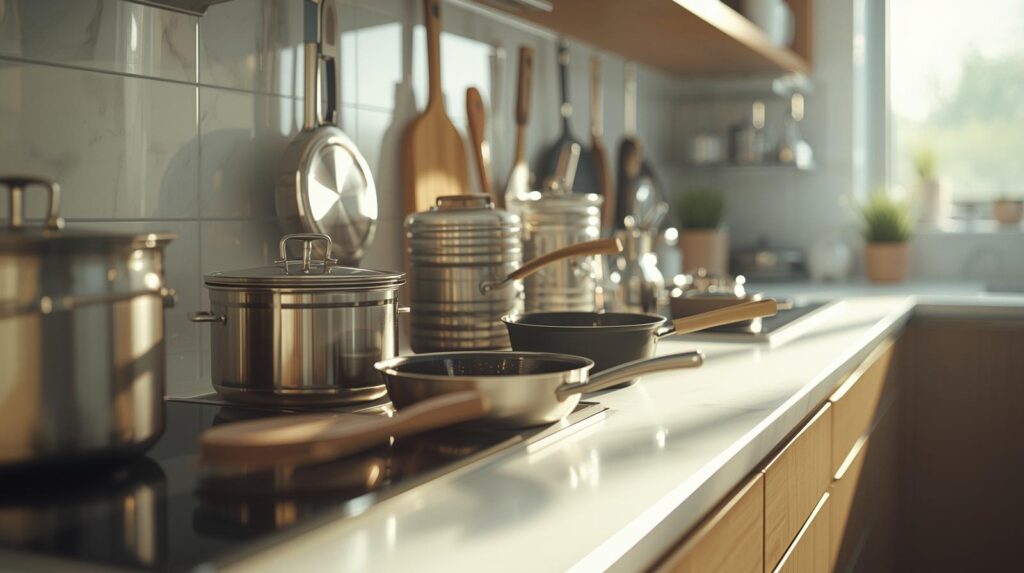
Choosing cookware should be simple, but in reality it’s one of the most confusing decisions for any kitchen. One search shows stainless steel, nonstick, cast iron, ceramic, aluminum, carbon steel, hybrid coatings, and dozens of marketing claims that all sound convincing.
This kitchen cookware guide exists to remove that confusion.
Instead of selling brands or chasing trends, this guide explains how cookware actually performs in real kitchens. You’ll learn how different materials behave under heat, which cookware is safest, how long each type really lasts, and how to build a cookware setup that fits your cooking style, kitchen size, and long-term needs.
This page is designed as a pillar resource. It’s not meant to be skimmed once and forgotten. It’s a reference you can come back to whenever you’re buying new cookware, upgrading old pieces, or simply trying to cook better meals with less effort.
By the end of this guide, you’ll have actionable knowledge to create a kitchen that is safe, efficient, and enjoyable to cook in every day.
What Is Cookware? (Clear, Practical Definition)
Cookware refers to the pots, pans, and cooking vessels used directly on heat sources such as stovetops, ovens, grills, or open flames. Unlike bakeware, cookware must withstand direct heat, frequent temperature changes, and daily wear.
Common cookware pieces include:
Frying pans and skillets
Saucepans
Stockpots
Sauté pans
Dutch ovens
Grill pans
Specialty pans (woks, grill plates)
Each piece is designed for a specific task. Understanding these roles prevents wasted money and frustration in the kitchen. For instance, a sauté pan with straight sides is ideal for sauces, whereas a deep skillet is better for stir-frying.
Why Choosing the Right Cookware Matters
Cookware directly affects how food cooks, tastes, and even its nutritional quality.
High-quality cookware:
Distributes heat evenly, preventing hot spots
Cooks food consistently
Requires less oil or butter, promoting healthier meals
Lasts for many years, saving money over time
Handles a variety of cooking styles
Poor-quality cookware often:
Warps under heat, making cooking inconsistent
Loses coatings, affecting performance and safety
Can release harmful substances when overheated
Requires frequent replacement, costing more in the long term
In short, the right cookware transforms your cooking experience. It’s about control, safety, and efficiency.
Complete Guide to Cookware Materials
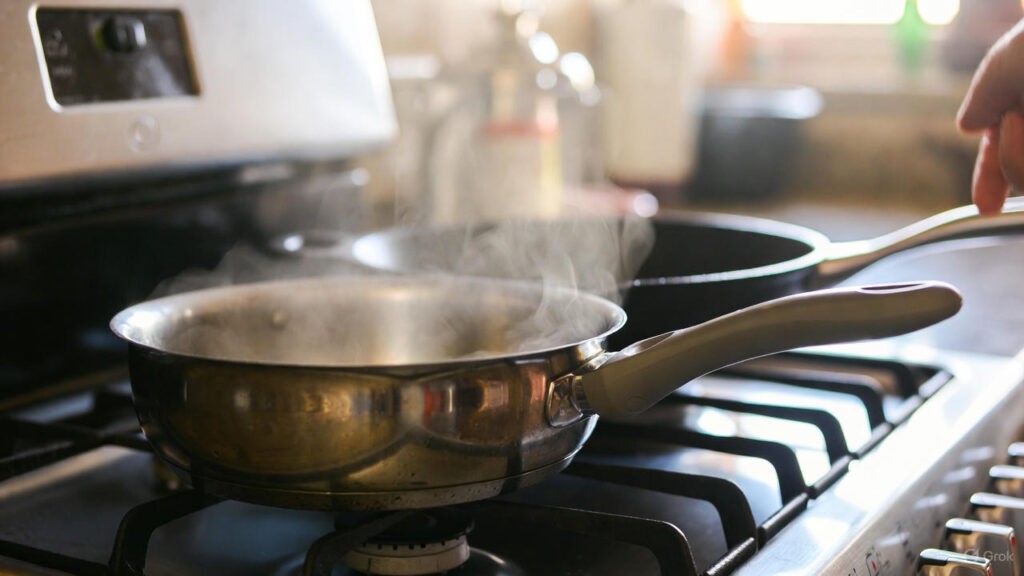
Choosing the right material is critical because it affects heat distribution, durability, maintenance, and the types of dishes you can cook. Here’s a deep dive into each material.
1. Stainless Steel Cookware
Best for: Everyday cooking, sautéing, boiling, browning, sauces
Stainless steel is a favorite for both professional chefs and home cooks. It’s durable, non-reactive, and versatile.
Advantages:
Long lifespan (10–30 years)
Safe for acidic foods like tomatoes and citrus
Oven and induction stove compatible
Resistant to rust and corrosion
Limitations:
Not naturally nonstick; food can stick without proper technique
Requires some skill to manage heat effectively
Real-World Use: Stainless steel is ideal for searing meat, reducing sauces, and making stocks. Multi-ply versions with aluminum or copper cores offer superior heat conduction.
2. Nonstick Cookware
Best for: Eggs, pancakes, delicate fish, quick meals
Nonstick cookware is popular for ease of use and cleanup.
Advantages:
Food releases easily
Minimal oil needed
Fast and easy cleaning
Limitations:
Coating wears out over 1–3 years
Not suitable for high-heat cooking
Can scratch easily; avoid metal utensils
Safety Tip: Always replace nonstick cookware when coating shows signs of wear. Avoid preheating empty pans.
3. Cast Iron Cookware
Best for: Searing, braising, baking, stews
Cast iron is heavy but extremely effective, providing even heat retention and natural nonstick properties when seasoned.
Advantages:
Excellent heat retention
Extremely durable; can last generations
Suitable for oven and stovetop cooking
Adds trace iron to your food
Limitations:
Heavy
Requires maintenance and seasoning
Slow to heat initially
Usage Tip: Preheat before adding food and maintain seasoning for optimal performance.
4. Ceramic Cookware
Best for: Low-to-medium heat, health-focused cooking
Ceramic cookware provides a chemical-free alternative to traditional nonstick surfaces.
Advantages:
PTFE- and PFOA-free
Smooth, nonstick surface
Easy cleaning
Limitations:
Coating wears out faster than metal cookware
Not suitable for high-heat cooking or searing
Use Case: Great for steaming vegetables, light stir-frying, and gentle simmering.
5. Aluminum Cookware
Best for: Fast, responsive cooking
Aluminum is lightweight and conducts heat quickly.
Advantages:
Excellent heat conductivity
Lightweight and affordable
Good for sautéing and boiling
Limitations:
Reactive with acidic foods (unless anodized)
Less durable over the long term
Use Case: Best for quick sauces, eggs, and boiling pasta.
6. Carbon Steel Cookware
Best for: High-heat cooking, stir-fry, professional kitchens
Carbon steel combines the heat retention of cast iron with a lighter weight.
Advantages:
Handles very high temperatures
Develops natural nonstick surface
Lightweight compared to cast iron
Limitations:
Requires seasoning
Not dishwasher safe
Use Case: Ideal for woks, searing steaks, and high-heat sautéing.
Cookware Material Comparison Table (Quick Reference)
| Material | Heat Performance | Durability | Maintenance | Best For |
|---|---|---|---|---|
| Stainless Steel | Even & responsive | Very High | Low | Everyday cooking |
| Nonstick | Low–medium | Low | Medium | Eggs & delicate foods |
| Cast Iron | Excellent retention | Lifetime | High | Searing, braising, baking |
| Ceramic | Moderate | Low | Medium | Healthy, low-fat cooking |
| Aluminum | Very fast | Medium | Low | Quick meals, boiling |
| Carbon Steel | High heat | Very High | Medium | Stir-fry, high-heat cooking |
Types of Cookware and Their Real Uses
Frying Pan / Skillet: Frying, sautéing, searing; daily essential.
Saucepan: Sauces, reheating, boiling grains or eggs.
Stockpot: Soups, pastas, broths, batch cooking.
Sauté Pan: Straight sides reduce splatter; ideal for sauces.
Dutch Oven: Braising, baking, slow cooking, soups.
Wok: High-heat stir-frying and steaming.
Grill Pan: Indoor grilling; perfect for marks and flavor.
Choosing Cookware Based on Cooking Style
Beginners
Nonstick frying pan
Stainless steel saucepan
Medium stockpot
Home Cooks
Tri-ply stainless steel set
Cast iron skillet
Nonstick egg pan
Health-Focused Cooking
Stainless steel or ceramic cookware
Minimal use of coated pans
Small Kitchens
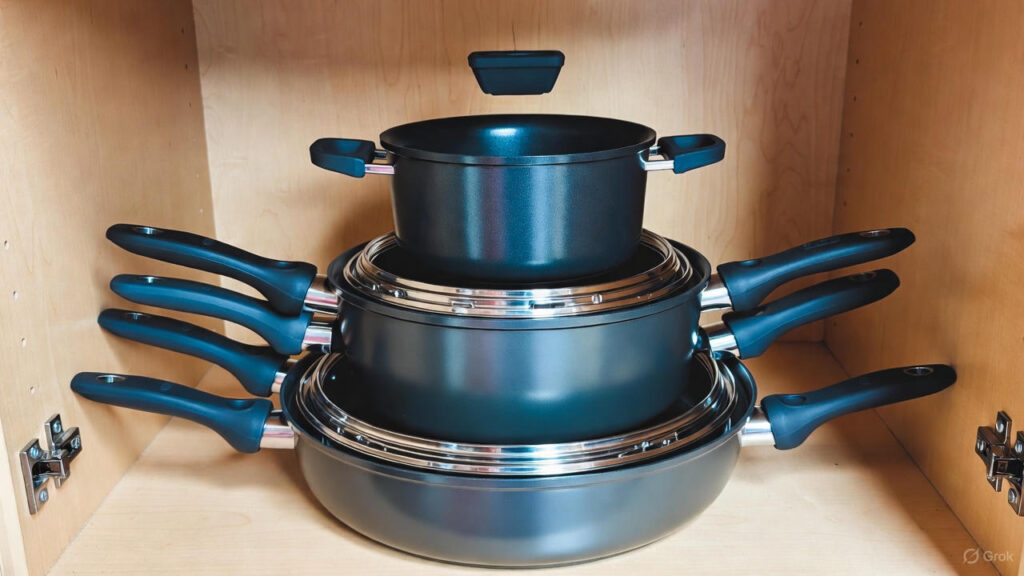
Stackable cookware
Multi-purpose pans
Detachable handle cookware for storage efficiency
Cookware Compatibility With Stovetops
Gas: All cookware materials compatible
Electric: Flat-bottomed pans work best
Induction: Requires magnetic material (stainless steel, cast iron)
Oven: Check handle materials and heat limits
Cookware Safety & Health Considerations
Avoid overheating nonstick or ceramic
Replace worn or scratched cookware immediately
Use wooden, silicone, or plastic utensils
Follow manufacturer’s temperature guidelines
Avoid storing acidic food in reactive cookware
Cookware Sets vs Individual Pieces
Sets: Ideal for new kitchens, cost-effective
Individual Pieces: Best for customization, replacement, and specialized needs
How Long Should Cookware Last?
Stainless steel: 10–30 years
Cast iron: Lifetime
Nonstick: 1–3 years
Ceramic: 1–2 years
Aluminum: 3–5 years
Carbon steel: 10–20 years
Cleaning, Storage, and Maintenance
Hand wash when possible, especially cast iron and nonstick
Dry thoroughly to prevent rust
Use pan protectors when stacking
Regularly season cast iron and carbon steel
Avoid metal utensils on coated surfaces
Common Cookware Buying Mistakes
Buying oversized sets with unused pieces
Choosing cookware based on looks over performance
Ignoring stovetop compatibility
Falling for marketing claims without research
Overpaying for unnecessary features
Buyer Personas & Recommendations
Student / Small Apartment: Nonstick skillet, small saucepan, stockpot; stackable cookware
Family / Multi-Cook Household: Tri-ply stainless steel set, cast iron skillet, Dutch oven
Professional / Culinary Enthusiast: Carbon steel wok, cast iron pan, full stainless steel set
Health-Conscious Cook: Ceramic or stainless steel cookware, minimal nonstick use, smaller portion-friendly pots
Cookware Budget Tiers
Entry-Level: Affordable, basic nonstick and aluminum; good for beginners
Mid-Tier: Multi-ply stainless steel, seasoned cast iron; balance of performance and durability
Premium: Professional-grade stainless steel, carbon steel, high-quality cast iron; investment for long-term use
Final Verdict: Building the Right Cookware Collection

The best cookware matches how you cook. Start with essentials, learn material behavior, and upgrade intentionally. This kitchen cookware guide is your long-term reference, providing the clarity, safety tips, and material knowledge to make smart purchases and cook confidently.
This page is a living pillar resource, designed to evolve as cookware technology and cooking techniques advance, ensuring your kitchen remains efficient, safe, and enjoyable.
Frequently Asked Questions (FAQs)
What is the best cookware material for everyday use?
Stainless steel offers the best balance of durability and versatility.
Is nonstick cookware safe?
Yes, when used properly and replaced once damaged.
How many pots and pans does a kitchen need?
Most kitchens function well with 5–7 essential pieces.
Does cookware affect taste?
Yes. Poor heat distribution can affect flavor and texture.
Is expensive cookware worth it?
High‑quality cookware often saves money long‑term.
Cookware Set for Gas Stove
Cookware Set for Gas Stove: Complete Buying Guide for...
Read More

Lightweight Cookware for Seniors
Lightweight Cookware for Seniors: A Complete, Practical Buying Guide...
Read More
Best Small Stainless Steel Saucepan
Small Stainless Steel Saucepan: The Everyday Pot Every Kitchen...
Read More